


Pediatrician-Backed Screen Time Guidelines for Kids: Babies, Toddlers, and Preschoolers (Ages 0–5)


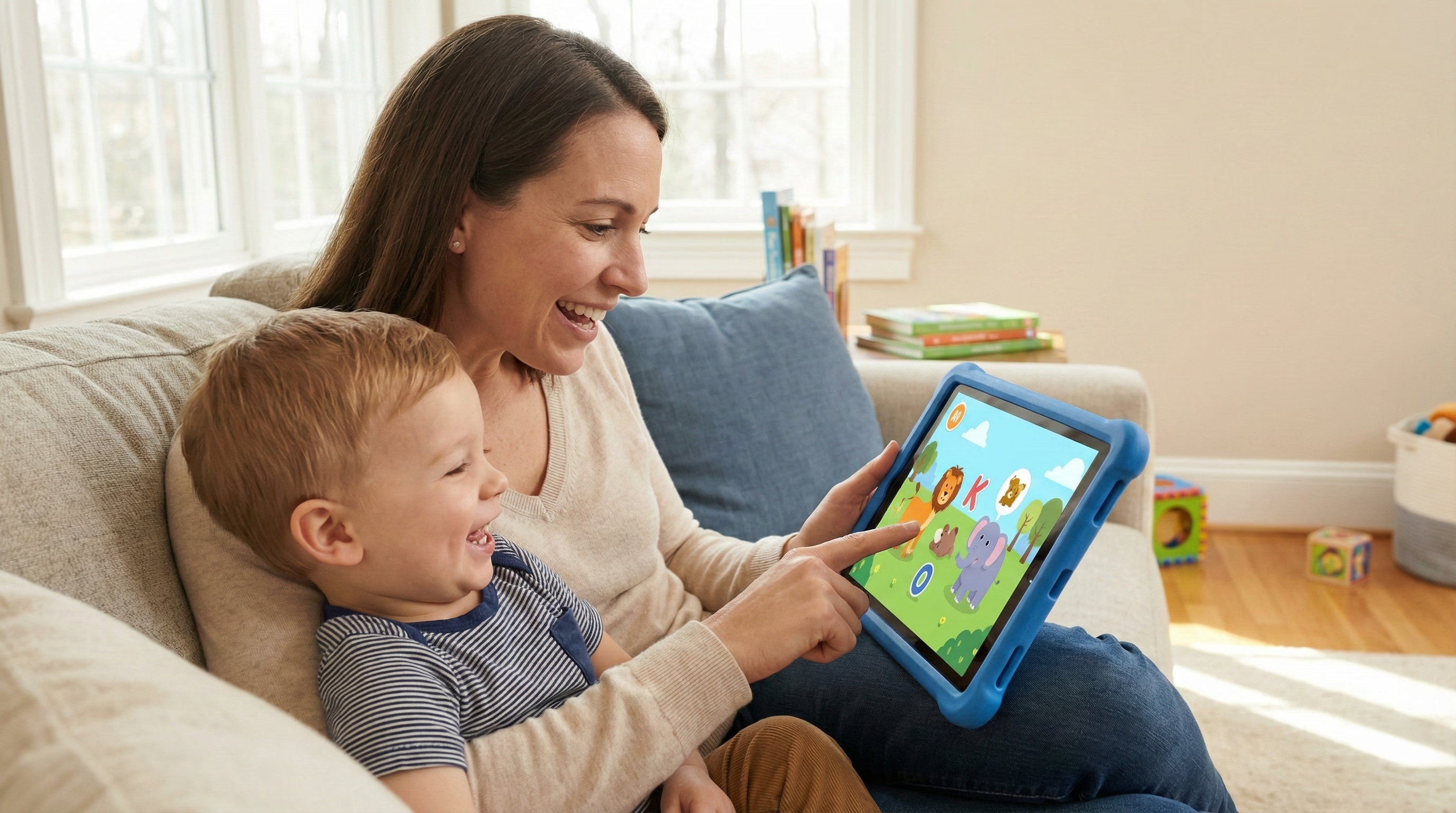
It's difficult for parents to navigate digital media, especially when nearly half of parents report relying on screens to manage challenging behavior like tantrums. Healthy screen time limits for kids are essential because excessive use is linked to developmental, physical, and behavioral issues. Pediatric experts, including the American Academy of Pediatrics (AAP) and the World Health Organization (WHO), provide strict AAP screen time recommendations by age, advising no screen time under 18 months except for video chatting.
In our modern world, screens are everywhere. From the TV constantly playing in the living room to the smartphone in your hand, digital exposure is a near-universal experience, even for our youngest children. If you are struggling to manage devices, you are certainly not alone. Parenting is hard, and sometimes screens seem like the only immediate solution—in fact, data shows nearly 49% of parents rely on screens daily to prevent a tantrum or settle a child down.
However, experts agree that the first five years (ages 0 to 5) are a crucial and sensitive time for cognitive, language, and socio-emotional development, making healthy screen time limits for kids absolutely essential. The current guidelines are evidence-based and strict because the experiences a child has during this time are foundational for healthy brain growth.
What Are the Official Screen Time Recommendations by Age?
Leading medical experts, primarily the AAP and the WHO, differentiate AAP screen time recommendations by age based on the child’s developmental stage.
Infants (Under 18 Months): Why Do Doctors Say No Screen Time?
For children under 18 months, the consensus is clear: doctors recommend you avoid all passive screen time. This strict guideline is in place because early learning relies almost entirely on real-world, interactive engagement.
- The Only Exception: The only acceptable screen time is video chatting with family or caregivers, as this is viewed as an interactive, social experience rather than passive viewing.
- Keep Background Screens Off: Studies show that having the television or other devices on in the background is discouraged because background media distracts babies and may negatively affect their language development.
Older Toddlers (18 to 24 Months): The Importance of Co-Viewing
For children between 18 and 24 months, high-quality, educational screen time may be introduced, but parental involvement and clear boundaries are critical.
- Content Selection: Only choose high-quality, educational, and age-appropriate content, often reviewed by organizations like Common Sense Media.
- Always Co-View: Media use for this age group should never be unsupervised. A parent or caregiver must watch with the child to aid in comprehension and help them connect what they see on screen to the real world. Co-viewing also ensures that your child watches what you intended them to, reducing the risk of exposure to unsafe digital content.
Preschoolers (Ages 2 to 5 Years): How Much Screen Time for Toddlers?
For children in this age group, physical activity must be prioritized, and solo screen viewing should be strictly limited to structured, high-quality content. The question, How much screen time for toddlers and preschoolers, has a clear answer from major health organizations:
- Daily Limit: Both the AAP and WHO recommend limiting structured, high-quality passive screen time to one hour per day.
- Less is Better: Less is often considered better, with some professional groups recommending capping screen time at no more than 30 minutes daily.
- Physical Activity Priority: Guidelines emphasize that children aged 3 and 4 need at least 180 minutes (three hours) of physical activity each day, which contrasts with prolonged time spent sitting in front of a screen.
Why Are Screen Time Limits So Critical for Young Brain Development?
The strict guidelines are rooted in neuroscientific evidence that excessive screen use displaces activities crucial for optimal brain development.
The Video Deficit Effect Explained
Young children, especially those under two years old, learn poorly from screens compared to learning from real-life interactions. This concept is known as the "video deficit effect."
It demonstrates that toddlers struggle to transfer knowledge they gained from a screen to actual, real-world situations. For example, one study found that toddlers took twice as long to learn or copy an action when it was shown on video compared to learning it from someone in person.
Physical and Behavioral Health Risks
Beyond brain architecture, clear, healthy screen time limits for kids are necessary because too much passive viewing is tied to clear negative health outcomes:
- Sleep Disruption: Screen use, particularly in the evening, is associated with shorter nighttime sleep durations in infants aged 6 to 12 months. At every age, the AAP advises turning all screens off at least one hour before bedtime to protect natural sleep patterns.
- Obesity Risk: Prolonged sitting and lack of movement due to passive screen viewing contributes to increased body mass index (BMI) and a higher risk for obesity later in childhood.
- Attention and Behavior Issues: Preschoolers who receive two to three hours of screen time daily show a greater likelihood of experiencing behavioral problems, difficulty focusing, and attention problems.
Screen Time Principles for School-Age Kids (Ages 6–12)
While strict limits on screen time are recommended for kids ages 0–5 years, the guidance changes shape once your child starts school. In its 2026 policy statement Digital Ecosystems, Children, and Adolescents, the American Academy of Pediatrics stopped leading with a single daily hour limit for this age group and put the weight on what your child is using and what it may be crowding out. The AAP gives pediatricians five questions for that conversation — the 5 C's: Child (what are their strengths?), Content (what are they interacting with?), Calm (are screens the main way they settle down?), Crowding out (what is screen time getting in the way of?), and Communication (how does your family talk about media?). They work just as well at your own kitchen table, and the principles below follow them.
- Quality Over Quantity: Focus on high-quality content—programs that are engaging, educational, and promote creativity or problem-solving. Continue to avoid fast-paced, passive media intended for adults.
- The Co-viewing Shift: For this age group, co-viewing shifts from direct instruction to shared discussion. Discuss the content, ask questions, and help your child critically analyze what they are seeing. It’s important to be aware that passive content from streaming channels such as YouTube may contain inappropriate content for your child, even as they get older. Co-viewing should be prioritized as much as possible for this reason.
- Non-Negotiable Boundaries: Maintain screen-free zones, keep screens off for at least the hour before bed, and keep all screens out of the bedroom at night — all three come straight from the AAP's 2026 recommendations to families. Sleep is essential for learning and emotional regulation at every age. For more support, consider reading our guides on behavioral health challenges or tips for better sleep habits.
5 Steps to Set Effective Screen Time Boundaries
Adherence to screen time limits is often low, but pediatricians recommend proactive, structural strategies to help families stick to these guidelines. By following these actionable steps, you can create a healthier digital environment that respects the AAP screen time recommendations by age.
- Develop a Family Media Plan: Create a household plan that accounts for your children’s ages, health, and unique interests. This plan should formally outline rules, including screen-free times and designated zones, helping you enforce healthy screen time limits for kids.
- Establish Screen-Free Zones and Times: Designate areas such as the dining room and all bedrooms as permanently screen-free zones to encourage family interaction and ensure adequate sleep. Screens should be turned off at least one hour before bedtime.
- Prioritize Unstructured Play: Unstructured playtime is profoundly important for a young child's developing brain, often proving more valuable than electronic media. Prioritizing experience based activities can help minimize screen time, by offering your child more opportunities for real-world connection and skill-building.
- Model Healthy Behavior: Children learn by observation. Parents must limit their own screen use and demonstrate balanced digital habits.
- Avoid Using Screens as Pacifiers: Evidence suggests that routinely using screens as the primary tool to stop tantrums or settle a child down may worsen anger and frustration later in life. Find alternative coping mechanisms for managing difficult emotions.
Partnering with Blueberry Pediatrics for Your Family’s Digital Health
Navigating screen time and implementing a sustainable screen time strategy can feel overwhelming. Need personalized guidance on your child's developmental milestones and screen use? Blueberry Pediatrics offers 24/7 access to board-certified pediatricians who can help you develop a Family Media Plan rooted in evidence-based health practices.



.svg)





.svg)
.svg)

